


The rapture and the second coming are two important topics in Bible prophecy. They are often discussed together, and sometimes they are confused with each other. While faithful Christians may have different views on the timing and details of end-time events, studying these themes carefully can help believers understand Scripture with more clarity and peace.
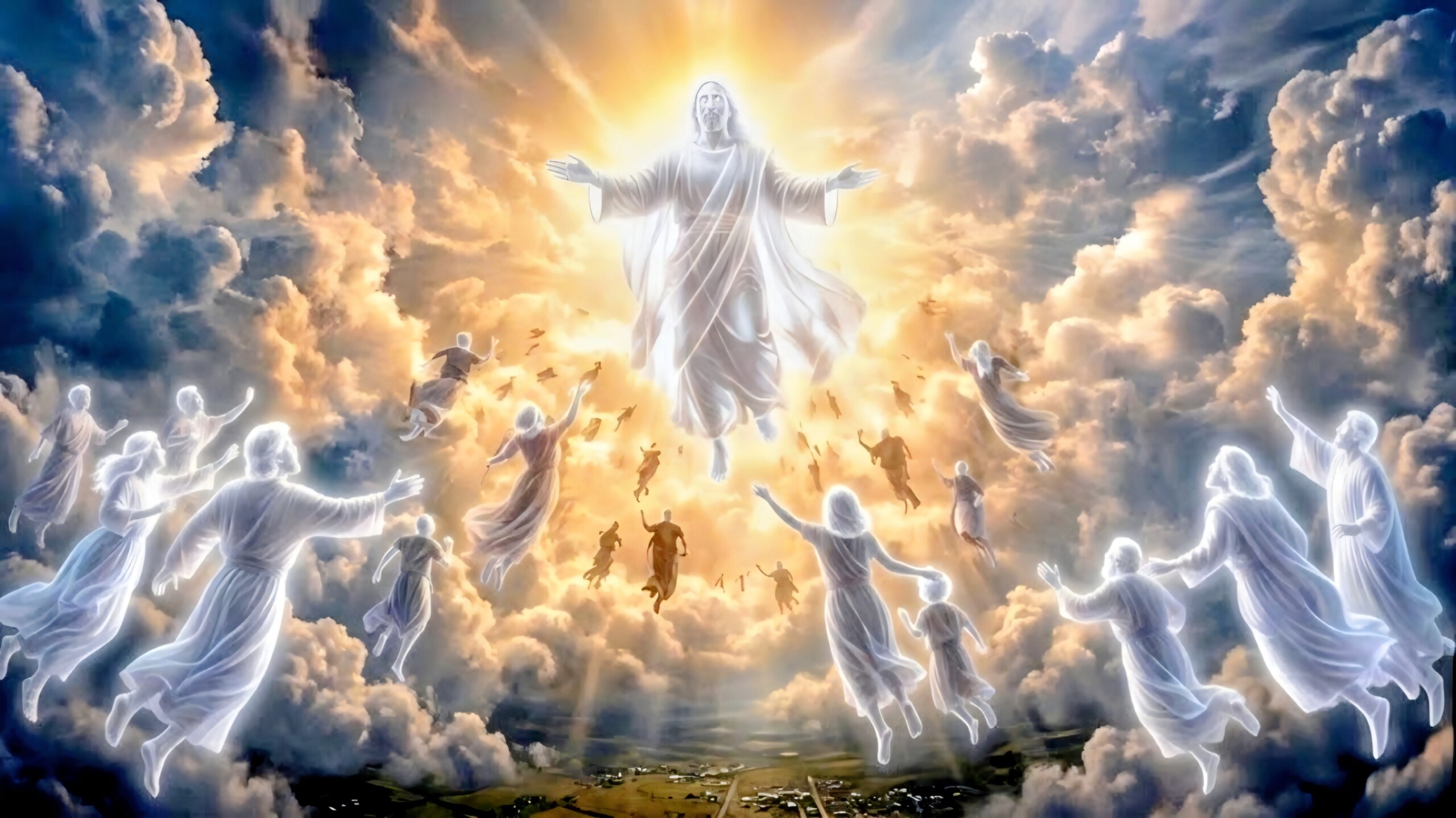
The word “rapture” refers to the moment when believers are caught up to meet the Lord. This teaching is commonly connected to Paul’s words in 1 Thessalonians 4, where he speaks about the Lord descending, the dead in Christ rising, and believers being caught up together with them. For many Christians, this passage brings comfort because it reminds us that Christ has not forgotten His people and that our future hope is secure in Him.
The second coming refers to the visible return of Jesus Christ in power and glory. Scripture teaches that Jesus will return as King, judge evil, fulfill God’s promises, and establish His righteous rule. This is not presented as a small or hidden event. It is described as a moment when the authority of Christ is revealed clearly and fully.
One simple way to understand the difference is that the rapture focuses on Christ gathering His people, while the second coming focuses on Christ returning to reign and bring judgment. The rapture is often discussed in connection with comfort, hope, and readiness. The second coming is often discussed in connection with victory, justice, and the completion of God’s plan.
Another topic often connected to these events is the tribulation, especially the seven-year period many Bible teachers associate with Daniel’s seventy weeks. This period is understood as a time of great trouble, deception, judgment, and testing. Because of this, many believers study the relationship between the rapture, the tribulation, and the second coming to better understand the order of future events.
At the same time, Bible prophecy should not lead us into fear or unhealthy speculation. The purpose of studying these passages is not to create anxiety, but to strengthen faith. Jesus taught His followers to watch, remain faithful, and live prepared. Prophecy reminds us that history is not moving without direction. God is still sovereign, and His promises will be fulfilled.
For believers today, the most important response is not simply to know a timeline, but to live with hope and faithfulness. We are called to trust Christ, remain steady in difficult times, and encourage one another with the hope of His return.
The rapture and second coming matter because they point us to the same central truth: Jesus Christ will come again. His return reminds us that evil will not last forever, God’s people are not forgotten, and the future belongs to the Lord.